Across Malaysia, social enterprises are exploring different ways to address social and environmental challenges within their communities. From supporting inclusive employment and entrepreneurship to strengthening rural livelihoods and promoting more sustainable production, they’re working to create both social value and commercial sustainability.
Today, nine social enterprises are starting a new journey as part of the second SEAM cohort. SEAM (Social Enterprise Accelerator Malaysia) is a partnership between IKEA Social Entrepreneurship and Biji-biji Initiative, with support from IKEA Malaysia. Over the next year, these organisations will get tailored support, mentorship, and chances to connect with peers and partners as they grow and strengthen their work.
This second cohort builds on what we learned from the
first cohort, which supported ten social enterprises across Malaysia. In the first group, seven out of ten enterprises saw revenue growth, nine improved their financial resilience and cost management, and eight reached more people in their communities. These lessons are now shaping the next phase of the programme.
As Malaysia’s social enterprise sector grows, programmes like SEAM help build a supportive environment by offering opportunities for learning, collaboration, and access to broader networks.
Meet the social enterprises joining Cohort 2
The nine organisations chosen for SEAM Cohort 2 show the diversity of social entrepreneurship in Malaysia.
-
Benua Brutti, based in Sabah, offers young people jobs through artisan craftsmanship and making furniture from reclaimed wood.
- Dodo Vegan Hut works to make plant-based food more accessible and provides skills training and jobs for women from lower-income families.
- ENOKU supports people with disabilities in building skills and finding jobs, and also works with employers to create more inclusive workplaces.
- Green Shoots offers flexible jobs for women who face challenges finding work, and also supports autism services and environmental education.
- Heartworks Solution creates job opportunities for people with disabilities by offering skills training, flexible work options, and virtual assistant roles.
- Ibupreneur supports mothers in Malaysia by providing entrepreneurship training, digital skills, and chances to access markets and earn income.
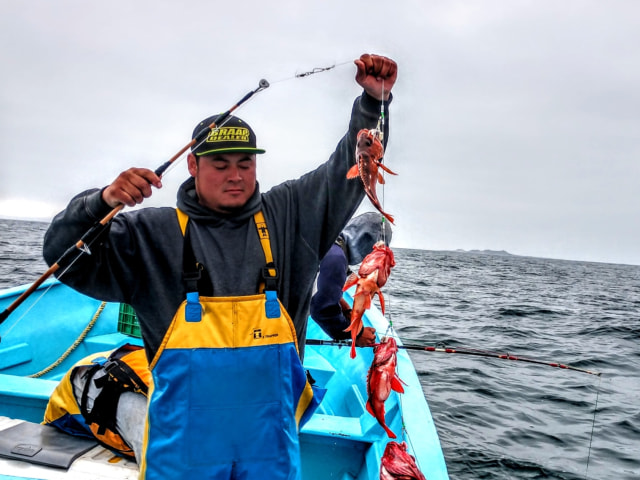
- KoAKUA, based in coastal Kelantan, partners with small-scale fishermen and aquaculture farmers to help them access markets and build more stable livelihoods.
- PichaEats works with refugee communities to create income opportunities by connecting their cooking skills and cultural traditions with customers.
- Sagemaker Asia supports women artisans through sewing, crafting, and producing custom products for businesses and communities, giving them flexible ways to earn income.
Strengthening organisations through learning and collaboration
Several participants described joining SEAM as an opportunity to strengthen their organisations while learning from others across the ecosystem.
The team at ENOKU shared that they look forward to the programme as an opportunity to "learn, exchange perspectives and reflect on how we can strengthen our organisation and deepen the impact we create for the communities we serve."
For Heartworks Solution, participation in SEAM is about building long-term organisational resilience. As the team explained, "This next year is about strengthening what's behind the scenes: better systems, stronger leadership, and a business that can keep showing up for the women we serve."
Similarly, Ibupreneur sees the year ahead as an opportunity for "asking questions, testing what's possible, learning from one another and turning ideas into action" as it continues supporting mothers to work towards greater financial independence.
These comments highlight a part of social entrepreneurship that is often overlooked: the ongoing effort to build strong systems, leadership, and resilience so organisations can support communities for the long term.
Building on experience and shared ambition
For Juliana Adam, Chief Executive Officer of Biji-biji Initiative, the first SEAM cohort showed that social enterprises can grow in different ways while staying true to their mission.
“Cohort 2 carries those learnings forward by giving each organisation the space and support to focus on the areas that will move both its business and impact to the next stage.”
A key feature of SEAM is collaboration among social entrepreneurs, ecosystem partners, and IKEA co-workers who volunteer as thought partners and mentors.
For example, Chyi Haur Oh will support PichaEats during the programme. These partnerships create opportunities to share knowledge, gain new perspectives, and learn from one another across Malaysia’s growing social entrepreneurship community.
What’s next
Over the next year, the nine social enterprises will join learning sessions, mentoring, and peer exchanges to support them to scale and reach their goals. Each enterprise has its own ambitions, but together they show the many ways entrepreneurs can create positive social and environmental change through business.
We’re excited to follow their progress and share their stories in the coming months.
Read the profiles to learn more about the organisations in SEAM Cohort 2.