Introducing the first cohort of Everyone's Business programme!
Meet the 11 social enterprises contributing to a more inclusive, sustainable, and hopeful Sweden.
Meet the 11 social enterprises contributing to a more inclusive, sustainable, and hopeful Sweden.
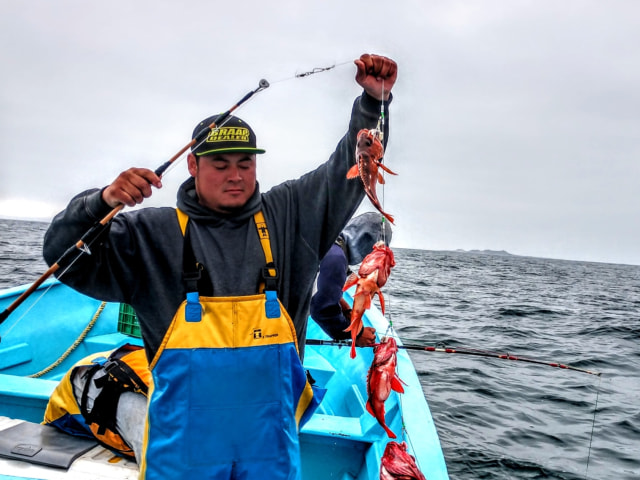
Every year on 16 October, World Food Day highlights important topics such as food waste, sustainable agriculture, biodiversity, and the challenges faced by fishing communities — all in an effort to combat climate change. This year's theme is "Hand in Hand for Better Foods and a Better Future”. It's the perfect opportunity for us to shine a spotlight on the incredible efforts of social entrepreneurs, who are making everyday life better for so many people and how they're creating a more sustainable and inclusive world.

At IKEA Social Entrepreneurship, we believe a truly circular economy must also be fair and inclusive. Circularity is about creating opportunities for people and communities, in addition to finding better materials and making things last longer.
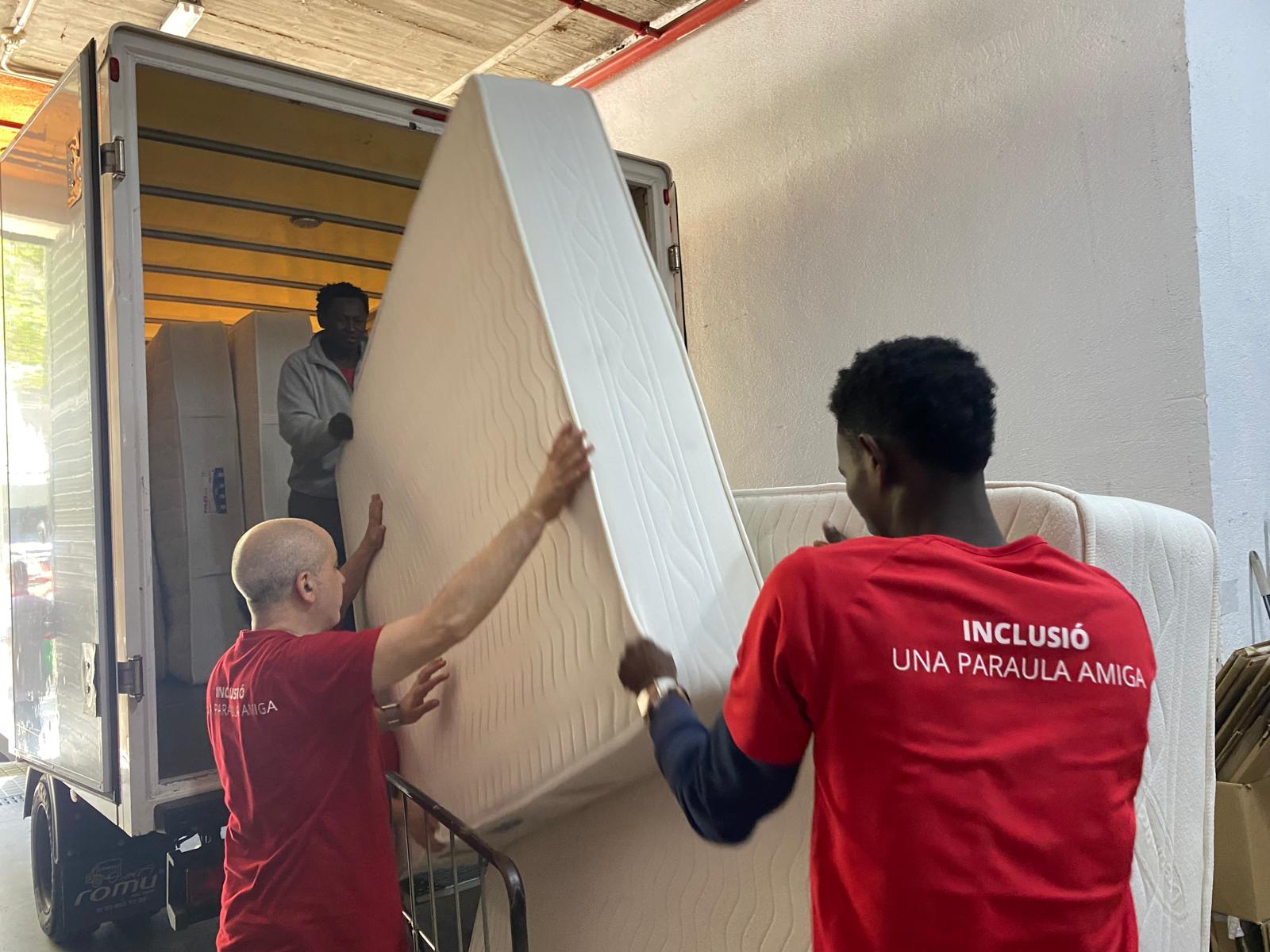
This fits right in with our bigger circular ambition at IKEA—designing products with renewable or recycled materials and keeping resources in use for as long as we can. It’s about looking at the whole journey and rethinking everything from how mattresses are made to how they’re collected, repaired, and recycled.
To understand this better, we teamed up with RREUSE, Europe’s biggest network of social enterprises working in reuse, repair, and recycling and set out to answer three big questions:
You’ll find what we learned in our new report: Social Enterprises’ Role in Furniture and Mattress Circularity.