
Introducing the first cohort of Everyone's Business programme!
Meet the 11 social enterprises contributing to a more inclusive, sustainable, and hopeful Sweden.

Meet the 11 social enterprises contributing to a more inclusive, sustainable, and hopeful Sweden.
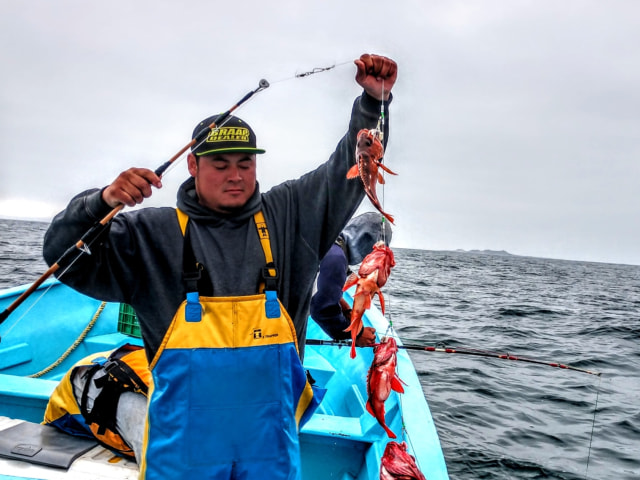
Every year on 16 October, World Food Day highlights important topics such as food waste, sustainable agriculture, biodiversity, and the challenges faced by fishing communities — all in an effort to combat climate change. This year's theme is "Hand in Hand for Better Foods and a Better Future”. It's the perfect opportunity for us to shine a spotlight on the incredible efforts of social entrepreneurs, who are making everyday life better for so many people and how they're creating a more sustainable and inclusive world.

Peru, which has the second-largest share of the Amazon Rainforest after Brazil, has lost an average of more than 326,000 acres of forest per year since 2001, mainly due to deforestation driven by the conversion of forests into agricultural land.
AFIMAD (The Indigenous Forestry Association of Madre de Dios) is an association formed by Amazon nut collectors.