Introducing the first cohort of Everyone's Business programme!
Meet the 11 social enterprises contributing to a more inclusive, sustainable, and hopeful Sweden.
Meet the 11 social enterprises contributing to a more inclusive, sustainable, and hopeful Sweden.
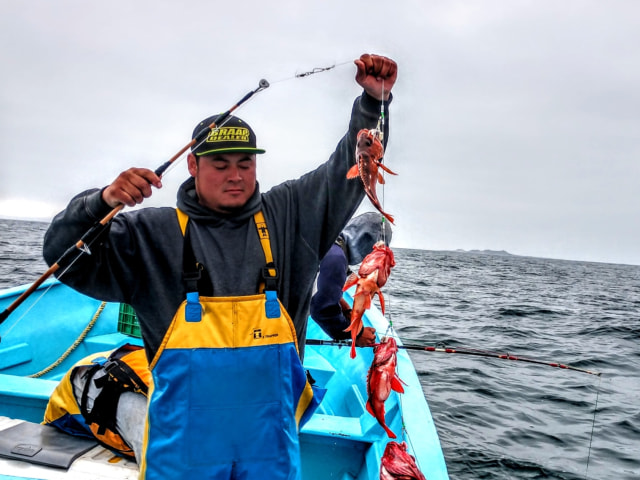
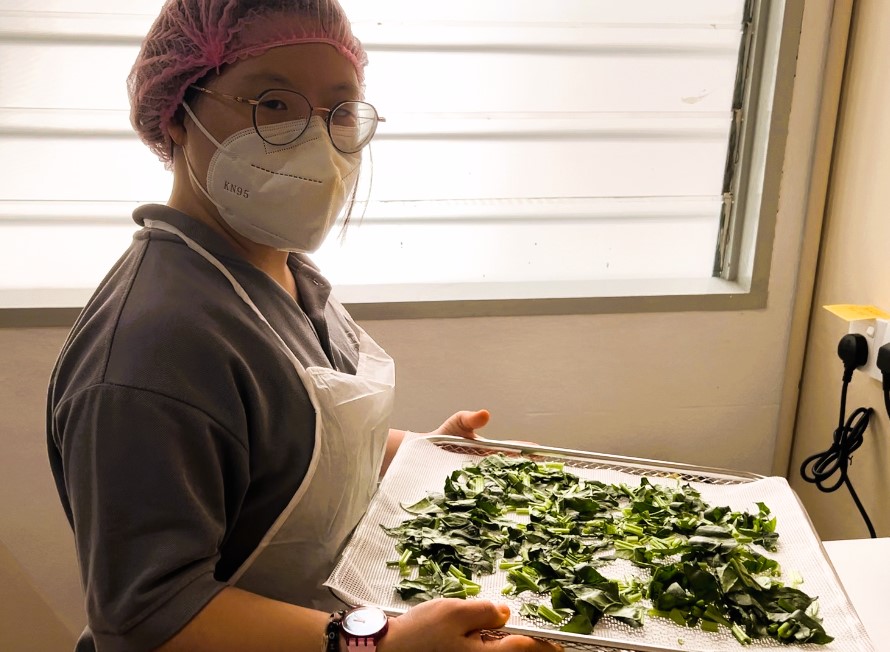
Every year on 16 October, World Food Day highlights important topics such as food waste, sustainable agriculture, biodiversity, and the challenges faced by fishing communities — all in an effort to combat climate change. This year's theme is "Hand in Hand for Better Foods and a Better Future”. It's the perfect opportunity for us to shine a spotlight on the incredible efforts of social entrepreneurs, who are making everyday life better for so many people and how they're creating a more sustainable and inclusive world.

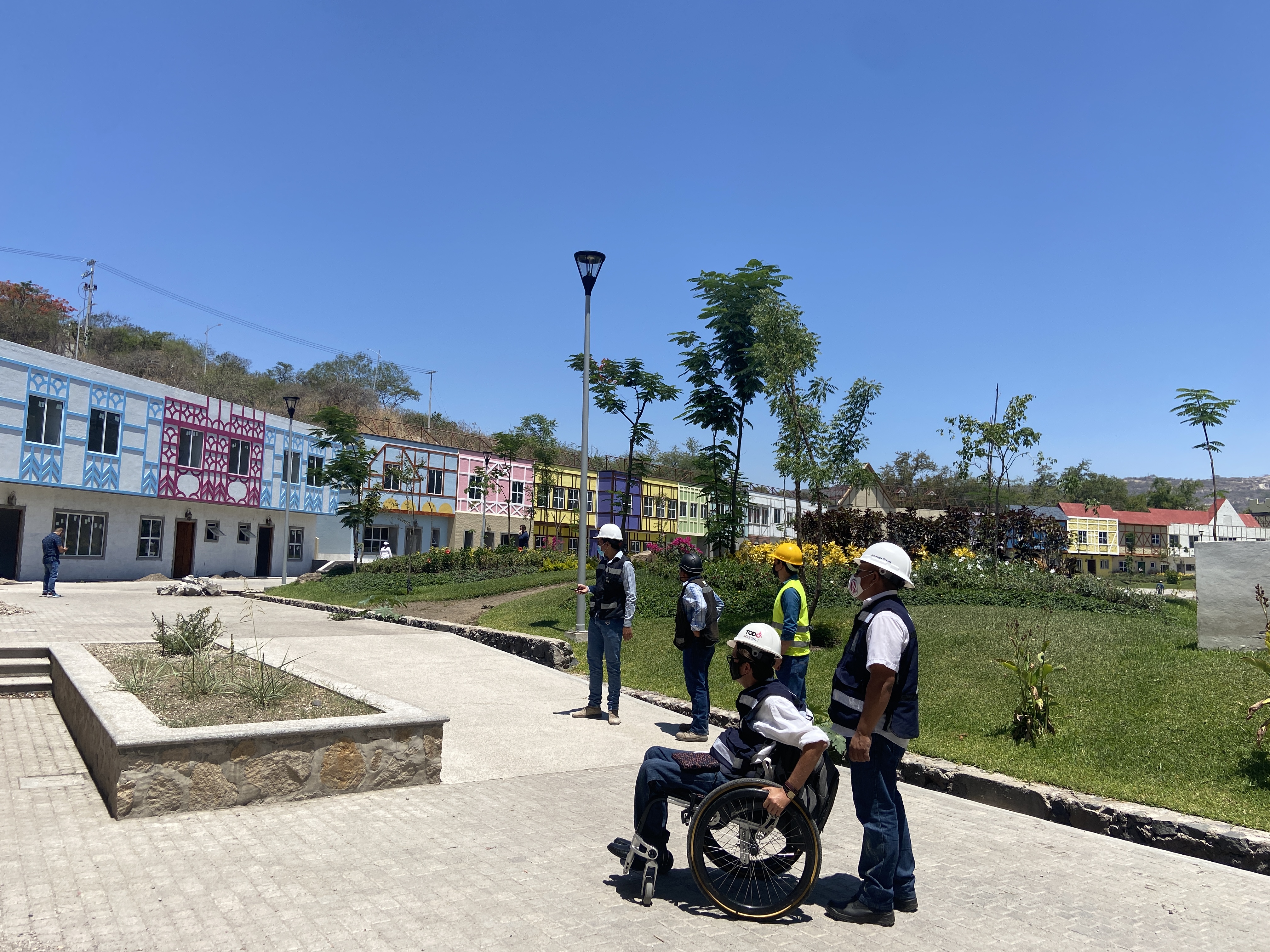
On International Day of Persons with Disabilities, recognised annually on 3 December, we highlight the importance of building disability-inclusive societies where everyone can contribute to creating positive change and driving social progress.
According to the World Health Organisation, about 1.3 billion people, or nearly 16% of the global population, live with various physical, sensory, intellectual, or mental health disabilities. Despite their diverse abilities, many faces systemic barriers, including economic inequality, limited access to decent work, barriers to independence and dignity, and unequal access to assistive technologies and inclusive environments.
At IKEA, we strive to create a better everyday life for the many people, including people with disabilities, by making sure that everyone is included. At IKEA Social Entrepreneurship, we support social enterprises around the world that create pathways for people with disabilities to fully engage in society, driving both social and economic progress. We believe that inclusion is more than accessibility, it’s about building societies where everyone can contribute, learn, and grow.
Today, we’re proud to showcase four social enterprises we’ve supported that are empowering people with disabilities to achieve their full potential and contribute to society.
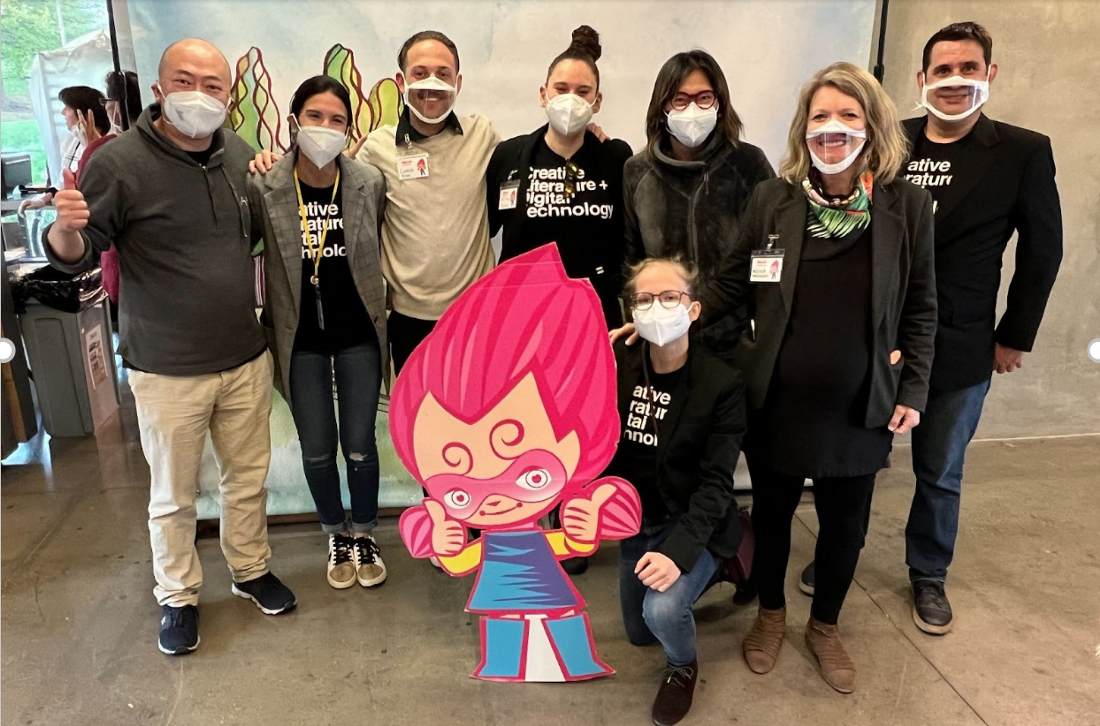
Globally, more than 70 million Deaf people face challenges accessing education and healthcare because of communication barriers, and only 2% of Deaf children worldwide receive education in sign language. Motion Light Lab was founded by Melissa Malzkuhn, who is third-generation Deaf and comes from a family of gifted storytellers. The enterprise applies digital innovations to solve communication barriers for Deaf children. The lab creates educational apps and training programmes that both support Deaf learners and enable Deaf creators to develop additional American Sign Language (ASL) resources. Founded in 2009 and based in the United States, its initiatives have reached 10 countries and resulted in over 50,000 app downloads.
Tie Wang Jones, Global Head of Inclusive Design & Accessibility at IKEA, and the IKEA co-workers who supported Motion Light Lab through the Dela III Programme, shared that genuine curiosity, rather than perfection, is key to inclusive collaboration. She believes that encouraging open dialogue, asking questions, and sharing perspectives builds trust and deepens understanding of accessibility and the assumptions we make about others. “I was afraid to ask the wrong questions, but creating a safe space for curiosity and vulnerability helped us overcome that fear,” said Tie. She also added that this experience has positively influenced her work at IKEA, guiding her team in integrating accessibility and neurodiversity into digital design and hiring practices.
Together with Ashoka, we proudly supported Motion Light Lab, assisting them in defining funding and impact strategies to reach more Deaf children and visual learners and to support their full inclusion in society.